

Why Nighttime Hair Damage Occurs and How to Prevent It | Svarasa Hair Guide }
Why Nighttime Is When Most Hair Damage Happens
(The overlooked 6–8 hours that quietly decide hair health)

Why Nighttime Is When Most Hair Damage Happens
Most people assume hair damage happens during the day — from sun, pollution, styling, or products.
But biologically, nighttime is when hair is most vulnerable.
Not because the hair is weaker -
but because the scalp and follicles are more reactive, defenses are lower, and damaging conditions quietly persist for hours without interruption.
Night doesn’t cause damage.
Unprotected nights do.
1. Hair Is Mechanically Weakest at Night
Hair fibers are most fragile when they are:
-
damp
-
warm
-
under friction
-
repeatedly bent
All four conditions commonly occur at night.
Sleeping introduces:
-
pillow friction
-
repeated head movement
-
compression under body weight
-
micro-twisting of strands
Over 6–8 hours, this causes cumulative breakage that far exceeds daytime handling.
This is slow damage, not dramatic snapping.
2. Wet or Damp Hair Is a Nighttime Hazard
Sleeping with wet or even slightly damp hair is one of the most damaging habits.
Why?
Wet hair:
-
swells at the cuticle
-
stretches easily
-
breaks under low force
-
loses structural integrity
At night, this vulnerability is sustained for hours, not minutes.
Daytime wet hair dries quickly.
Nighttime wet hair stays stressed for the entire sleep cycle.
3. Friction Is Continuous, Not Occasional
Daytime friction is brief.
Nighttime friction is repetitive and prolonged.
Each time you:
-
turn your head
-
shift position
-
press hair under your neck or shoulders
hair strands experience micro-abrasion.
Individually harmless.
Collectively destructive.
This is why breakage often:
-
appears near the crown
-
worsens at the nape
-
mimics thinning
4. The Scalp Is More Inflammatory at Night
At night, the body enters a repair-focused immune state.
This is good for healing, but problematic if inflammation already exists.
If the scalp is:
-
irritated
-
sweaty
-
oily
-
inflamed
-
fungal-imbalanced
Nighttime immune activity can amplify inflammatory signals around follicles.
Instead of repair, follicles receive stress signals for hours.
5. Fungal Activity Peaks Overnight
Scalp-resident fungi thrive in:
-
warmth
-
moisture
-
darkness
-
occlusion
Night provides all four.
If hair is:
-
damp
-
tied tightly
-
covered
-
oily
fungal activity increases, even if dandruff is not visible.
This is why many people wake up with:
-
itch
-
flakes
-
scalp odor
-
tenderness
The damage occurred while sleeping.
6. Sebum and Sweat Accumulate Without Interruption
During the day:
-
sweat evaporates
-
oil disperses
-
hair is exposed to air
At night:
-
the scalp is occluded
-
oil pools
-
sweat lingers
-
heat builds
This creates a low-oxygen micro-environment around follicles.
Follicles interpret this as stress and reduce growth signaling.
7. Nighttime Is When Mechanical Hair Loss Happens
Hair fall that appears “sudden” in the morning often began overnight.
At night:
-
hair is pulled under the body
-
strands are bent repeatedly
-
roots experience micro-traction
This causes:
-
increased shedding
-
breakage mistaken for hair fall
-
tension at the follicle opening
The damage is subtle but cumulative.
8. Why Tight Night Hairstyles Are So Harmful
Tight buns, braids, or ponytails at night:
-
concentrate tension
-
prevent movement release
-
restrict blood flow
-
trap moisture
For hours.
This is why traction hair loss often begins during sleep, not styling.
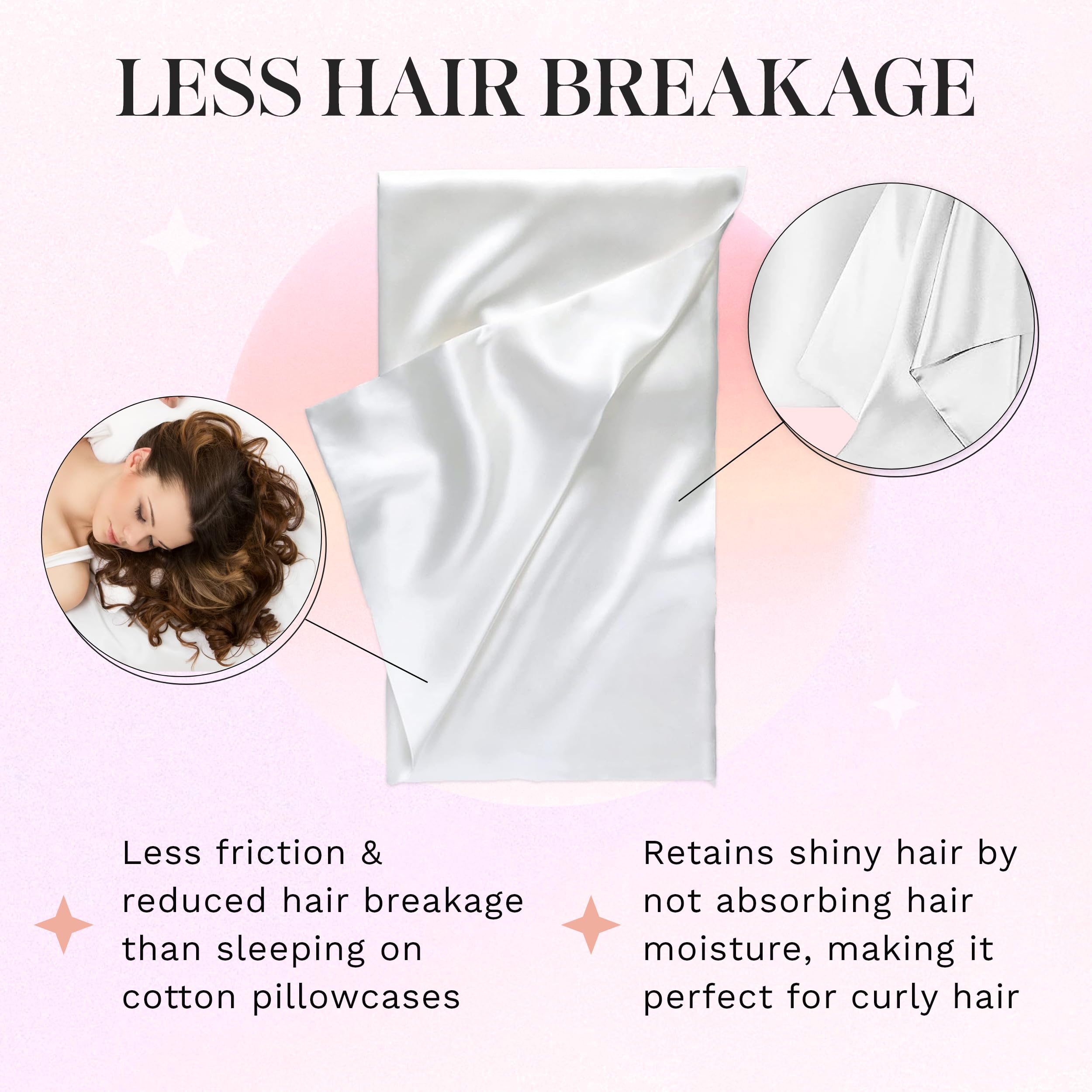
9. Pillowcases Matter More Than Products
The surface your hair rubs against for 6–8 hours matters enormously.
Rough fabrics:
-
increase friction
-
absorb moisture
-
catch hair fibers
-
worsen cuticle damage
This is one of the few areas where changing fabric has an outsized effect.
10. Why Night Damage Goes Unnoticed
Night damage is:
-
slow
-
painless
-
invisible initially
-
cumulative
By the time it’s noticed, it looks like:
-
thinning
-
increased shedding
-
poor texture
-
dullness
And the cause is rarely suspected.
11. Nighttime Is Also When Recovery Can Happen
This is the paradox.
Night is dangerous — but also powerful.
When protected correctly:
-
inflammation drops
-
follicles repair
-
growth signals normalize
-
shedding stabilizes
Nighttime becomes recovery time, not damage time.
12. The Principle Most People Miss
Hair does not recover during sleep automatically.
It recovers only if:
-
friction is minimized
-
moisture is controlled
-
scalp is calm
-
follicles are not stressed
Sleep is an opportunity , not a guarantee.
Final Verdict
Most hair damage does not come from:
-
styling
-
products
-
weather
It comes from hours of unprotected stress at night.
Nighttime doesn’t look dramatic.
But it quietly decides whether hair weakens, or recovers.
Key Takeaway
Hair damage is not about what you do occasionally.
It’s about what happens repeatedly while you’re unaware.
Protect the night.
And you protect the hair.
Minimum Effective Hair Care for Healthier Hair: Why Less is More | Svarasa Guide |
Rubbing Wet Hair With a Towel Drying Causes Hair Fall: Here’s Why | Svarasa |
Related Posts

Ayurvedic Hair Mist: The Modern Way To Refresh Your Hair

Coconut Oil vs Bhringraj Oil for Hair: Which Is Better?

PRP vs Hair Transplant: What Is the Difference?

Shock Loss After a Hair Transplant: Why Does Hair Fall Out?

Amla Oil vs Bhringraj Oil for Hair: Which Is Better?

Hair Care Routine for Hair Fall & Thinning: The Complete Guide

Beyond Minoxidil: Can Ayurvedic Herbs Effectively Revive Dormant Hair Follicles?
