

The Earliest Signs of Hair Loss Most People Miss | Svarasa Hair Loss Guide |
The Earliest Signs of Hair Loss Most People Miss
(Why hair loss starts long before it looks obvious)

Hair Loss Doesn’t Start When Hair Looks Thin
This is the biggest misconception.
Most people believe hair loss starts when:
-
the scalp becomes visible
-
the hairline recedes
-
photos look different
In reality, hair loss begins months, or even years earlier, at a stage when hair still looks fine.
By the time thinning is obvious, the process is already well underway.
Why Early Signs Are Easy to Miss
Early hair loss:
-
doesn’t hurt
-
doesn’t look dramatic
-
comes and goes
-
is easy to explain away
It gets blamed on:
-
stress
-
weather
-
diet
-
travel
-
“just a phase”
The danger isn’t the sign itself.
It’s the delay that follows.
Early Signs Most People Overlook
These signs don’t scream “hair loss.”
They whisper it.
Shedding Patterns Change (Not Just Amount)
Early hair loss isn’t about losing more hair once.
It’s about losing hair more often.
Watch for:
-
hair fall that doesn’t fully settle
-
shedding returning every few weeks
-
“good days” getting shorter
Seasonal shedding should resolve.
When it doesn’t, something deeper is happening.
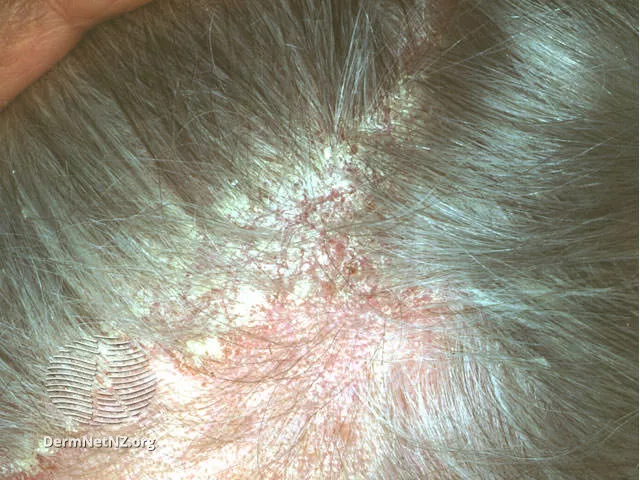
The Scalp Feels Different Before Hair Looks Different
Before hair density changes, the scalp often does.
Early scalp signals include:
-
persistent itching
-
sensitivity to products
-
tightness after washing
-
occasional burning or warmth
These indicate scalp inflammation, one of the earliest drivers of hair loss.
Hair Texture Changes Quietly
Hair may start to feel:
-
finer
-
weaker
-
less elastic
-
more prone to breakage
People often think:
“My hair quality has worsened.”
In reality, follicle stress changes the hair strand itself.
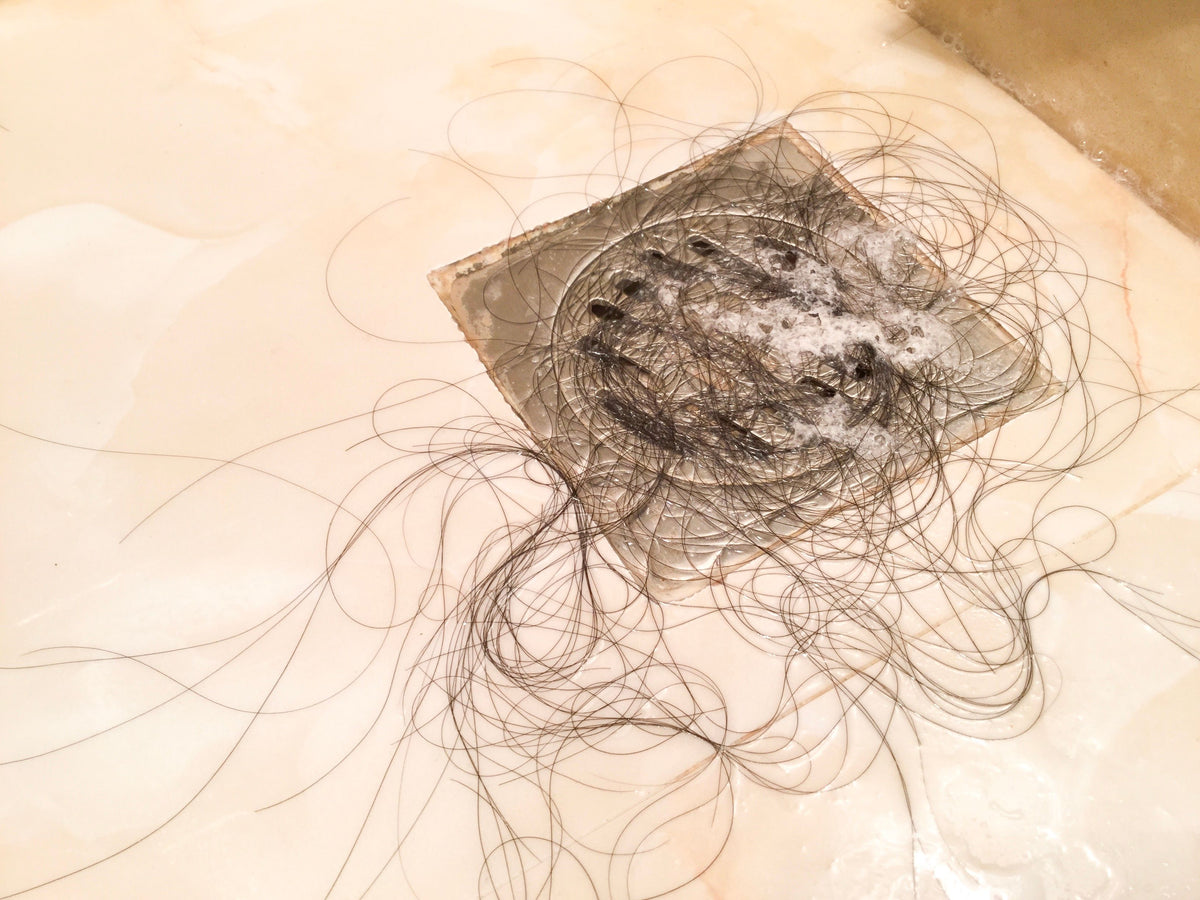
Hair Takes Longer to “Settle” After Washing
Early hair loss often shows up as:
-
more hair in the drain than before
-
shedding spread across the day
-
hair continuing to fall hours after washing
This suggests follicles are releasing hair earlier than they should.
Parting or Cowlicks Look Slightly Different
This change is subtle:
-
parting looks wider only in certain light
-
crown area looks flatter
-
scalp visibility varies day to day
Because it’s inconsistent, it’s easy to dismiss.
But inconsistency is often an early warning, not reassurance.
Seasonal Hair Fall Becomes Louder Each Year
Seasonal shedding is normal.
But if:
-
each season brings more shedding than the last
-
recovery takes longer
-
density doesn’t fully return
Then seasonal hair fall has become cumulative, not cyclical.
Hair Styling Starts Doing More “Work”
People adjust unconsciously:
-
change parting
-
add volume products
-
style hair differently
-
avoid certain lighting
These adaptations often happen before people admit concern.
Why These Signs Are So Important
Early hair loss is often:
-
inflammatory
-
stress-mediated
-
environment-driven
-
reversible
Late-stage hair loss is often:
-
structural
-
miniaturized
-
slower to recover
-
expensive to manage
The same condition behaves very differently depending on when it’s addressed.
Why People Wait Anyway
Because early signs:
-
don’t feel urgent
-
don’t look severe
-
don’t come with clear instructions
There’s also fear:
“If I acknowledge it, it becomes real.”
Ironically, ignoring early signs makes the problem more real later.
Ayurvedic Perspective: Early Imbalance vs Disease
Ayurveda distinguishes between:
-
imbalance (early)
-
disease (late)
Most modern hair loss treatment starts at the disease stage.
Ayurveda works best at the imbalance stage, when:
-
correction is gentle
-
routines are simple
-
outcomes are more predictable
This window is often missed.
What Early Action Actually Looks Like (It’s Not Extreme)
Early action does not mean:
-
aggressive treatments
-
growth stimulants
-
complex routines
It usually means:
-
calming the scalp
-
adjusting seasonal habits
-
reducing irritation
-
staying consistent
-
preventing escalation
Small changes, early, compound powerfully.
The Cost of Missing Early Signs
When early signs are ignored:
-
inflammation becomes chronic
-
follicles shorten growth cycles
-
density loss becomes visible
-
treatment timelines lengthen
-
costs increase
The biggest cost isn’t hair.
It’s lost reversibility.
One Simple Self-Check (Do This Monthly)
Ask yourself:
Is my hair fall resolving-or repeating?
Resolving = normal
Repeating = warning
That single distinction catches most early problems.
Final Verdict
Hair loss doesn’t announce itself.
It begins quietly, inconsistently, and politely,
hoping you’ll notice.
Most people don’t.
Key Takeaway
The best time to act on hair loss is when you’re still unsure it’s happening.
That uncertainty is the earliest signal, and the cheapest opportunity.
Most People Treat Hair Fall Too Late
What Changes After 6 Months of Preventive Hair Care
Related Posts

Is a Hair Transplant Permanent? What Happens 5–10 Years Later?

Hair Care Ritual For Indian Women

Minoxidil and Natural Hair Care: What's the Difference?

Hair Transplant: A Deep Dive Into the Procedure, Results, Risks & Alternatives

Natural Hair Care vs Minoxidil

Why Does DHT Cause Hair Thinning? Understanding DHT & Hair Loss

Scalp Microbiome Explained: What Your Scalp Needs to Stay Healthy
