

Most People Treat Hair Fall Too Late
Most People Treat Hair Fall Too Late
(Why waiting feels harmless—but quietly raises the cost)
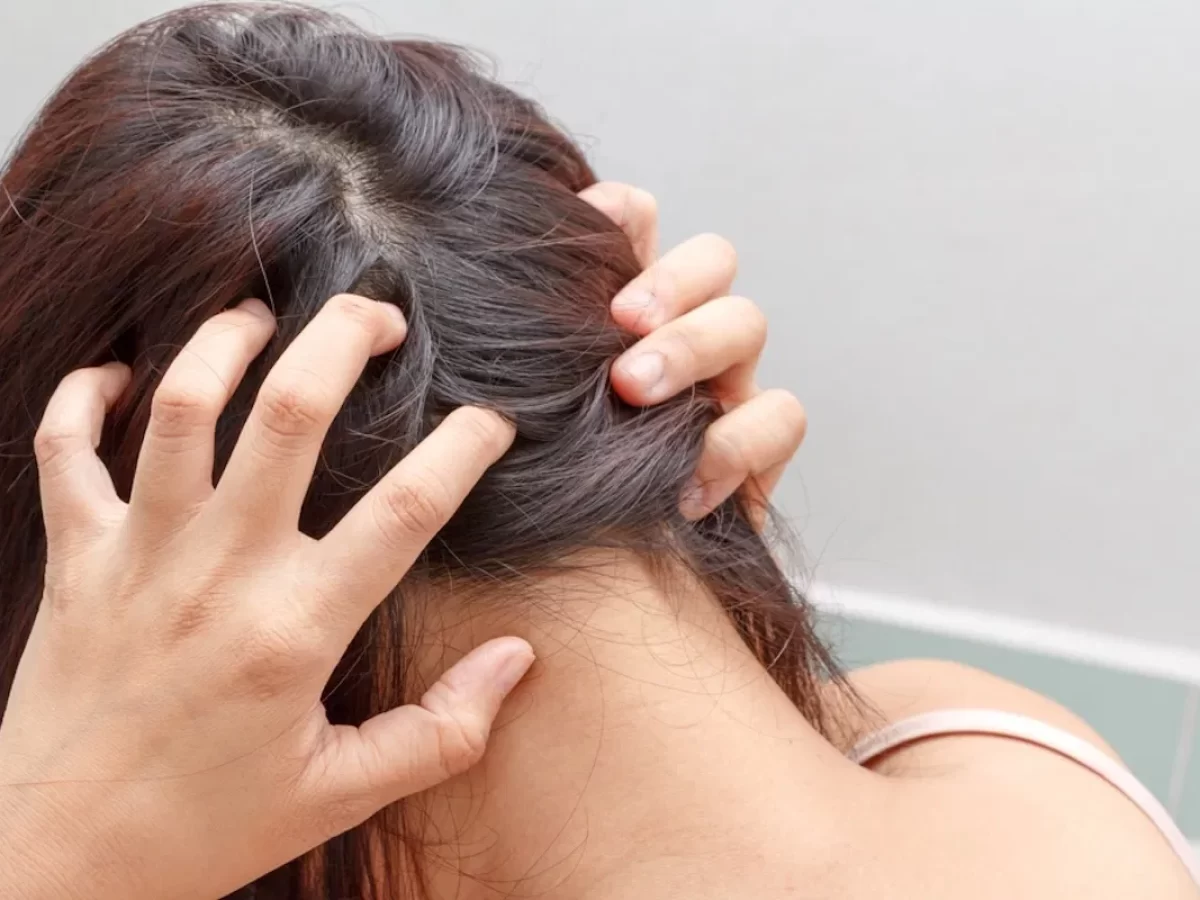
Hair Fall Isn’t Ignored. It’s Delayed.
Most people don’t ignore hair fall.
They notice it.
They acknowledge it.
They just don’t act on it yet.
Why?
Because early hair fall:
-
doesn’t look dramatic
-
doesn’t feel urgent
-
doesn’t change appearance overnight
So it gets postponed.
That delay is what turns manageable shedding into long-term hair loss.
The Early Stage Is Quiet (And That’s the Problem)
Hair fall rarely begins with bald patches or visible thinning.
It usually starts as:
-
extra strands on the pillow
-
more hair in the shower drain
-
increased shedding during combing
-
subtle scalp irritation
-
dandruff that comes and goes
These signs don’t feel like a “problem.”
They feel temporary.
Why People Wait (Psychology, Not Negligence)
People delay because:
-
hair still “looks fine”
-
shedding feels seasonal
-
stress gets blamed
-
advice is conflicting
-
treatment feels drastic
There’s also a belief that:
“If it gets worse, I’ll deal with it then.”
Unfortunately, hair biology doesn’t wait.
What Changes While You’re Waiting
While you wait:
-
scalp inflammation can become chronic
-
follicles shift into shorter growth cycles
-
recovery windows narrow
-
tolerance to products decreases
The hair you lose early is often easier to protect than to regrow later.
Hair Loss Is Easier to Prevent Than Reverse
This is the most important truth in hair care.
Early stage hair fall
-
follicles are active
-
cycles are flexible
-
inflammation is reversible
-
response to care is strong
Late-stage hair loss
-
follicles miniaturize
-
growth phases shorten
-
scalp sensitivity increases
-
results take longer—or don’t appear
Waiting doesn’t keep things neutral.
It allows damage to compound quietly.
The Cost of Treating Hair Fall Late
Treating hair fall late almost always means:
-
stronger products
-
more experimentation
-
longer timelines
-
higher spend
-
emotional fatigue
People don’t spend more because solutions are better.
They spend more because problems are harder.
Why Seasonal Hair Fall Becomes Permanent
Seasonal shedding is normal.
But when:
-
scalp inflammation isn’t addressed
-
routines don’t adapt
-
dandruff cycles repeat
seasonal hair fall stops resetting.
It becomes progressive thinning disguised as “normal shedding.”
This is where delay is most damaging.
Ayurvedic Insight: Timing Matters More Than Strength
Ayurveda never focused on aggressive correction.
It focused on:
-
early balance
-
preventing escalation
Using stronger solutions late contradicts this principle.
Ayurveda works best before urgency appears.
The Trap of “Waiting to See”
The most common decision:
“Let’s wait and see.”
This feels reasonable.
It feels calm.
It feels non-reactive.
But in hair care, waiting is not neutral.
It’s directional.
And it usually moves problems forward, not sideways.
What Early Action Actually Looks Like (It’s Not Intense)
Treating hair fall early does not mean:
-
growth stimulants
-
aggressive oils
-
drastic changes
Early action usually means:
-
stabilising the scalp
-
reducing inflammation
-
adjusting seasonal habits
-
staying consistent
-
avoiding over-treatment
It’s quieter, but far more effective.
How to Know If You’re Already Late (Honest Signs)
You may have delayed too long if:
-
shedding hasn’t reduced across seasons
-
scalp symptoms persist
-
hair texture has changed
-
density feels different
-
you’ve been “monitoring” for months
This doesn’t mean it’s hopeless.
It means correction will take longer.
Why Prevention Feels Invisible (But Works)
People often say:
“I didn’t do anything special. My hair was just fine.”
That’s not luck.
That’s stability.
Preventive care works by not creating problems.
Its success is quiet, and easily underestimated.
The Shift That Changes Outcomes
The most effective mindset change is this:
Don’t ask, “Is my hair fall bad enough yet?”
Ask, “Is my scalp still stable?”
Stability today is cheaper than correction tomorrow.
Final Verdict
Most people don’t treat hair fall too late because they’re careless.
They treat it too late because:
-
early signs don’t look serious
-
urgency feels premature
-
delay feels harmless
But hair loss isn’t sudden.
It’s cumulative.
Key Takeaway
The most expensive hair care decision is waiting for hair fall to look serious.
By the time it does, prevention has already expired.
Early care doesn’t feel urgent.
That’s exactly why it works.
Seasonal Hair Fall: When to Worry, When Not To
The Earliest Signs of Hair Loss Most People Miss | Svarasa Hair Loss Guide |
Related Posts

Is a Hair Transplant Permanent? What Happens 5–10 Years Later?

Hair Care Ritual For Indian Women

Minoxidil and Natural Hair Care: What's the Difference?

Hair Transplant: A Deep Dive Into the Procedure, Results, Risks & Alternatives

Natural Hair Care vs Minoxidil

Why Does DHT Cause Hair Thinning? Understanding DHT & Hair Loss

Scalp Microbiome Explained: What Your Scalp Needs to Stay Healthy
