

Seasonal Hair Fall: When to Worry, When Not To
Seasonal Hair Fall: When to Worry, When Not To
(Why some shedding is normal and when it’s telling you something important)
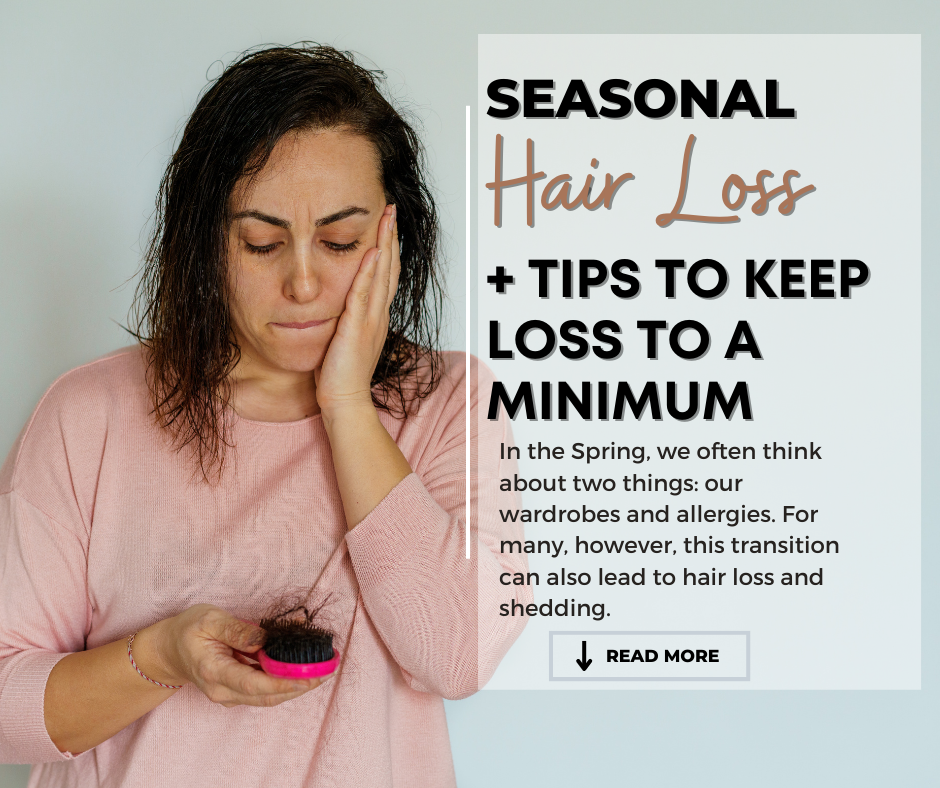

First, the Reassuring Truth
Not all hair fall is bad.
In fact, some seasonal hair shedding is normal, temporary, and harmless.
The problem is that most people can’t tell the difference between:
-
physiological shedding (normal)
and -
pathological hair fall (a warning sign)
This confusion leads to:
-
panic
-
product switching
-
aggressive treatments
-
unnecessary expense
Understanding the difference saves hair, money, and stress.
Why Seasonal Hair Fall Happens at All
Hair grows in cycles:
-
growth (anagen)
-
transition (catagen)
-
shedding (telogen)
Seasonal changes can synchronize these cycles, especially in climates like India where:
-
temperature shifts are extreme
-
humidity changes suddenly
-
daylight patterns vary
-
sweat and pollution fluctuate
The result?
A temporary increase in shedding during certain months.
When Seasonal Hair Fall Is NORMAL (Don’t Panic)
Seasonal hair fall is usually not a problem when it has these features:
1. It Appears Suddenly — Then Stabilizes
-
Shedding increases for 3–6 weeks
-
Then plateaus
-
Then reduces on its own
This often happens:
-
post-monsoon
-
during seasonal transitions
2. Hair Density Still Looks the Same
-
More hair on the floor or drain
-
But no visible thinning on the scalp
-
No widening of parting
You’re losing old hairs, not follicles.
3. Hair Fall Is Even Across the Scalp
-
No patches
-
No specific thinning zones
-
No receding hairline suddenly
Uniform shedding = cycle reset, not damage.
4. No Scalp Symptoms
-
No burning
-
No redness
-
No persistent itching
-
No painful scalp
The scalp feels normal.
5. It Resolves Within One Season
If shedding reduces naturally within:
-
6–8 weeks
It was likely seasonal telogen shedding.
When Seasonal Hair Fall IS a Warning Sign
Seasonal hair fall becomes concerning when it doesn’t behave like a season.
1. Shedding Keeps Increasing
-
Hair fall worsens month after month
-
No plateau
-
No recovery
This suggests ongoing inflammation or trigger.
2. Visible Thinning or Density Loss
-
Scalp becomes more visible
-
Ponytail feels thinner
-
Hairline changes
This means follicles are being affected, not just cycles.
3. Scalp Symptoms Are Present
-
itching
-
burning
-
dandruff flare-ups
-
pain or tenderness
This points to scalp inflammation, not seasonal change.
4. Hair Fall Returns Every Season — Stronger
If every monsoon or winter:
-
hair fall returns
-
with greater intensity
It’s no longer seasonal, it’s unresolved.
5. Hair Texture Changes
-
hair becomes finer
-
weaker
-
more brittle
Texture change signals follicle stress.
Why Seasonal Hair Fall Turns Chronic for Many People
Because people:
-
panic and over-treat
-
switch products rapidly
-
oil heavily during humidity
-
under-wash during dandruff phases
-
ignore scalp inflammation
These reactions convert temporary shedding into long-term loss.
Ayurvedic View: Seasonal Hair Fall vs Imbalance
Ayurveda sees seasonal shedding as:
-
a natural reset
But warns that:
-
repeated seasonal imbalance
-
ignored inflammation
-
wrong seasonal routines
turn normal shedding into progressive hair loss.
Ayurveda focuses on preventing escalation, not stopping every hair shed.
What to Do During Normal Seasonal Shedding
If signs point to normal shedding:
✔ don’t change your routine drastically
✔ avoid aggressive treatments
✔ keep scalp clean and calm
✔ maintain consistency
✔ manage sweat and humidity
Doing less is often the right move.
What to Do When You Should Worry
If warning signs appear:
✔ address scalp inflammation first
✔ stop heavy oiling if dandruff exists
✔ avoid product hopping
✔ focus on scalp health, not growth hacks
✔ seek early guidance
Early correction is far cheaper and more effective than late treatment.
The Cost Mistake People Make
Most people wait because they think:
“It’s just seasonal.”
By the time they act:
-
follicles are stressed
-
recovery takes longer
-
costs escalate
Seasonal hair fall is cheap to manage early
and expensive to fix late.
The One Question That Solves the Confusion
Ask yourself:
Is my hair fall behaving like a season - or like a pattern?
Seasons end.
Patterns repeat.
That’s the difference.
Final Verdict
Seasonal hair fall is normal.
Unresolved seasonal hair fall is not.
The goal isn’t to stop every shed hair.
The goal is to prevent temporary shedding from becoming permanent loss.
Key Takeaway
Normal seasonal hair fall settles.
Problematic hair fall escalates.
Knowing which one you’re facing is the smartest hair-care decision you can make.
How to Build a Seasonal Ayurvedic Hair Routine (India)
Most People Treat Hair Fall Too Late
Related Posts

Is a Hair Transplant Permanent? What Happens 5–10 Years Later?

Hair Care Ritual For Indian Women

Minoxidil and Natural Hair Care: What's the Difference?

Hair Transplant: A Deep Dive Into the Procedure, Results, Risks & Alternatives

Natural Hair Care vs Minoxidil

Why Does DHT Cause Hair Thinning? Understanding DHT & Hair Loss

Scalp Microbiome Explained: What Your Scalp Needs to Stay Healthy
