

What Changes After 6 Months of Preventive Hair Care
What Changes After 6 Months of Preventive Hair Care
(Why this is when results finally feel real)

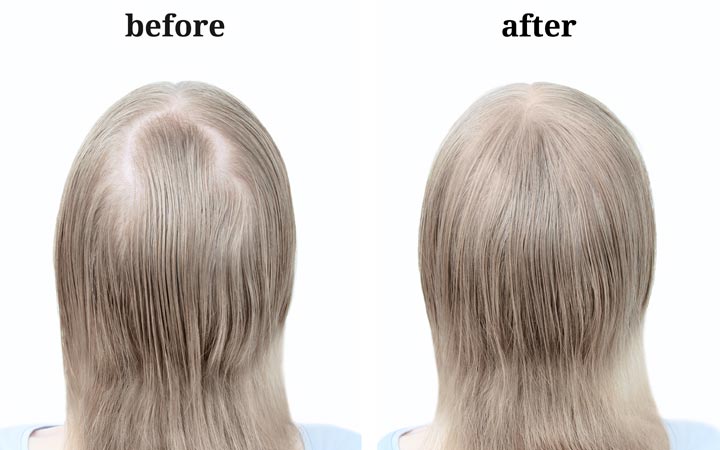
Why 6 Months Is a Turning Point (Not a Finish Line)
In hair care, six months is not “long.”
It’s simply the first honest checkpoint.
By six months:
-
the scalp has adapted
-
inflammation patterns are clearer
-
hair cycles have had time to reset
-
habits have either stuck, or failed
This is when preventive hair care stops feeling theoretical and starts feeling observable.
Not dramatic.
But undeniable.
What Preventive Hair Care Is Doing All This Time
Before looking at results, it’s important to remember what prevention actually works on.
Preventive care focuses on:
-
scalp stability
-
inflammation reduction
-
follicle stress management
-
habit correction
It does not force growth or override biology.
That’s why results appear later, but last longer.
Months 1–3 Recap: Quiet Stabilisation
By the end of 90 days, most people notice:
-
calmer scalp
-
fewer flare-ups
-
more predictable shedding
-
less urge to switch products
But hair often still looks similar.
This is normal.
The groundwork is invisible.
Months 4–6: Where Change Becomes Noticeable
This is where things shift.
Hair Fall Stops Feeling Random
After six months, many people report:
-
fewer surprise shedding spikes
-
hair fall that correlates with known triggers
-
quicker recovery after stress or travel
Hair fall becomes predictable, not alarming.
That predictability is a sign of scalp stability.
Seasonal Hair Fall Loses Its Power
Seasonal shedding may still happen, but:
-
it’s milder
-
shorter
-
less emotionally disruptive
This tells you the scalp is absorbing seasonal stress instead of amplifying it.
Hair Texture Improves at the Roots
Not overnight.
Not everywhere.
But close to the scalp, hair often feels:
-
slightly thicker
-
more resilient
-
less wispy
-
less brittle
This reflects healthier follicle output, not cosmetic coating.
Styling Requires Less “Compensation”
People unconsciously:
-
stop changing partings
-
rely less on volume tricks
-
feel comfortable in more lighting conditions
These small behavioural shifts are powerful indicators of improvement.
Scalp Symptoms Become Rare, Not Routine
By six months:
-
dandruff flare-ups reduce
-
itching becomes occasional
-
tightness after washing disappears
A calm scalp is the foundation of everything else.
Why These Changes Take Time
Hair grows slowly.
Follicles recover slowly.
Inflammation resolves slowly.
Six months allows:
-
stressed follicles to complete full growth cycles
-
weaker hairs to shed naturally
-
newer, healthier strands to replace them
This is replacement—not repair.
Replacement always takes longer.
What Doesn’t Happen at 6 Months (Important)
Preventive care does not guarantee:
❌ dramatic regrowth
❌ reversal of advanced thinning
❌ instant density restoration
❌ overnight transformation
If those are expectations, prevention will feel disappointing.
If stability is the goal, it will feel successful.
Ayurvedic Perspective: Rebuilding Ojas, Not Forcing Output
In Ayurveda, long-term improvement reflects:
-
restored balance
-
reduced excess
-
improved resilience
Ayurveda values durability over speed.
Six months is when durability becomes visible.
The Financial Shift at 6 Months
By this point, many people notice:
-
fewer impulse purchases
-
no product hopping
-
stable routines
-
predictable spending
Hair care stops being an experiment and becomes maintenance.
That’s where real savings appear.
The Psychological Change People Don’t Expect
Perhaps the biggest shift after six months:
Hair fall stops dominating mental space.
People:
-
stop counting hairs daily
-
stop checking mirrors obsessively
-
stop bracing for the next setback
That relief is not cosmetic, it’s cognitive.
Signs Prevention Is NOT Working at 6 Months
If after six months:
-
shedding is still escalating
-
scalp symptoms persist
-
density continues to drop
It doesn’t mean prevention failed.
It means:
-
the issue may not be purely preventive
-
deeper inflammatory or genetic factors may be involved
Six months gives clarity, even when answers are uncomfortable.
Why Many People Quit Right Before This Stage
Because:
-
progress feels slow
-
results aren’t dramatic
-
marketing elsewhere promises more
Ironically, six months is when prevention finally pays back patience.
What the Next 6 Months Look Like
After six months:
-
improvements compound more easily
-
seasonal changes feel manageable
-
routines feel effortless
-
setbacks recover faster
This is when prevention shifts from strategy to default.
Final Verdict
Six months of preventive hair care doesn’t give you a new head of hair.
It gives you:
-
stability
-
predictability
-
resilience
-
control
And those are the prerequisites for any lasting improvement.
Key Takeaway
Prevention doesn’t reward urgency.
It rewards consistency, and six months is when that reward becomes visible.
Hair care feels expensive and stressful when started late.
It feels calm and manageable when started early—and sustained patiently.
The Earliest Signs of Hair Loss Most People Miss | Svarasa Hair Loss Guide |
The First 90 Days of Preventive Hair Care
Related Posts

Is a Hair Transplant Permanent? What Happens 5–10 Years Later?

Hair Care Ritual For Indian Women

Minoxidil and Natural Hair Care: What's the Difference?

Hair Transplant: A Deep Dive Into the Procedure, Results, Risks & Alternatives

Natural Hair Care vs Minoxidil

Why Does DHT Cause Hair Thinning? Understanding DHT & Hair Loss

Scalp Microbiome Explained: What Your Scalp Needs to Stay Healthy
