

Hair Loss Doesn’t Start When Hair Falls
Hair Loss Doesn’t Start When Hair Falls
(It starts much earlier—when most people aren’t looking)
The Moment Most People Get It Wrong
Ask someone when hair loss begins, and the answer is almost always:
“When hair starts falling.”
That belief is understandable, but incorrect.
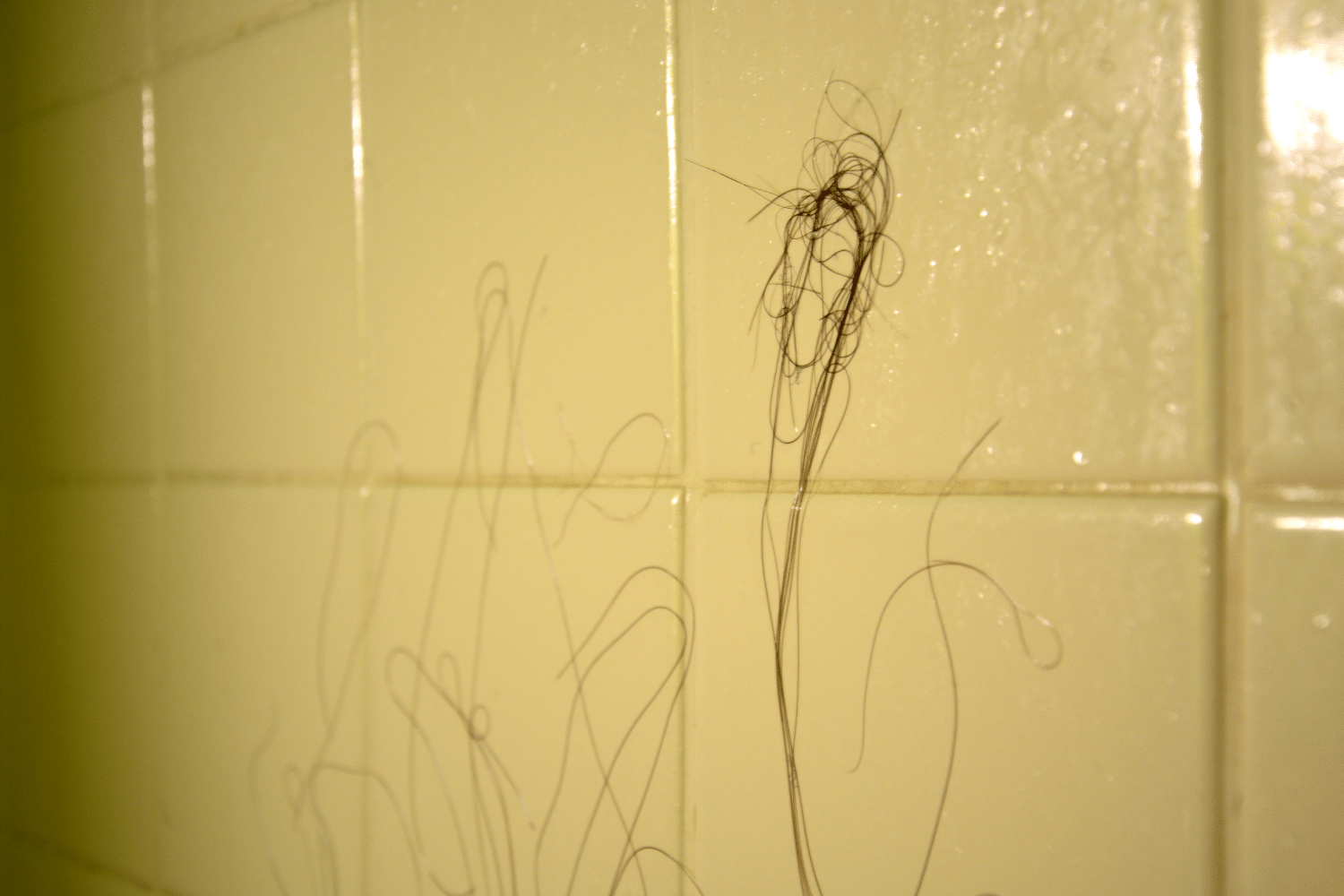
Hair fall is a symptom.
Hair loss is a process.
By the time hair fall becomes noticeable, the process has usually been active for months, sometimes years.
Hair Fall Is the Signal, Not the Beginning
Hair fall happens when a hair strand:
-
completes its growth cycle
-
is released from the follicle
-
makes space for a new strand
This can be normal.
Hair loss, on the other hand, begins when:
-
follicles shorten growth cycles
-
inflammation disrupts signals
-
scalp environment becomes hostile
-
replacement hair becomes weaker
None of this is visible at first.
What Actually Starts Hair Loss
Hair loss usually begins with invisible changes, not falling strands.
Common early triggers include:
-
low-grade scalp inflammation
-
repeated irritation from products
-
seasonal stress without recovery
-
sweat and pollution overload
-
chronic dandruff cycles
-
stress-related hormonal shifts
These don’t cause immediate hair fall.
They quietly weaken follicle resilience.
Why Hair Keeps “Looking Fine” Early On
Hair density is forgiving.
Even when:
-
some follicles are stressed
-
growth cycles shorten
-
replacement hairs thin
overall appearance can remain unchanged.
This creates a false sense of security:
“It looks fine. I’ll worry later.”
Unfortunately, later is when correction is hardest.
The Timeline Most People Never See
Phase 1: Scalp Stress (Invisible)
-
irritation
-
sensitivity
-
oil imbalance
-
dandruff flare-ups
No visible hair change yet.
Phase 2: Cycle Disruption (Quiet)
-
hair sheds a little more often
-
seasonal hair fall lingers
-
recovery slows
Still looks “normal.”
Phase 3: Replacement Weakening
-
new hairs grow finer
-
breakage increases
-
texture changes
People blame “hair quality.”
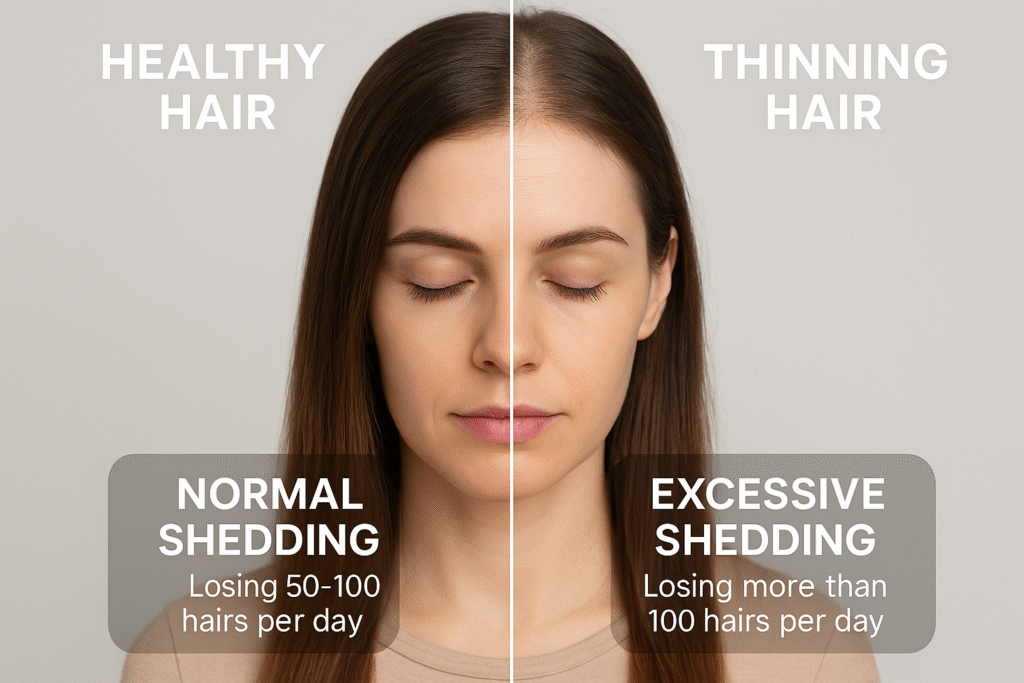
Phase 4: Visible Thinning
-
parting widens
-
scalp shows in photos
-
panic begins
This is when most people start “treating hair loss.”
But the process started far earlier.
Why Waiting Feels Logical (But Isn’t)
People wait because:
-
early signs are inconsistent
-
hair fall comes and goes
-
advice online conflicts
-
treatment feels extreme
Hair loss doesn’t demand attention early.
It invites delay.
That’s why it progresses.
Ayurvedic Insight: Disease vs Imbalance
Ayurveda distinguishes between:
-
imbalance (early, reversible)
-
disease (late, resistant)
Most modern hair care starts at the disease stage.
Ayurveda works best at the imbalance stage when:
-
correction is gentle
-
routines are simple
-
outcomes are predictable
Missing this window is costly.
Why Treating Hair Fall Alone Often Fails
When people treat hair fall directly, they:
-
chase growth
-
use stronger products
-
stimulate aggressively
But if:
-
scalp inflammation remains
-
follicle stress continues
-
seasonal damage repeats
hair fall returns.
Because the cause was never addressed.
What Early Action Actually Looks Like
Early action is not dramatic.
It usually means:
-
calming the scalp
-
adjusting seasonal routines
-
managing sweat and pollution
-
reducing irritation
-
staying consistent
This doesn’t stop every falling hair.
It prevents the process from accelerating.
Why Prevention Feels Unsatisfying (At First)
Preventive care:
-
doesn’t create visible change fast
-
doesn’t feel urgent
-
doesn’t “prove” itself immediately
Its success looks like:
“Nothing bad happened.”
That’s easy to underestimate, until you compare outcomes years later.
The Cost of Starting Late
When hair loss is addressed late:
-
timelines extend
-
costs increase
-
results slow
-
frustration grows
People don’t spend more because solutions are better.
They spend more because damage is deeper.
The Question That Changes Everything
Instead of asking:
“Is my hair falling too much?”
Ask:
“Is my scalp still stable?”
Stability today prevents loss tomorrow.
Final Verdict
Hair loss doesn’t start when hair falls.
It starts:
-
when the scalp is stressed
-
when recovery doesn’t happen
-
when imbalance becomes normal
Hair fall is simply when the process becomes visible.
Key Takeaway
The best time to care for hair is when you’re unsure there’s a problem.
That uncertainty is not reassurance.
It’s the earliest warning.
The First 90 Days of Preventive Hair Care
From Scalp Stress to Hair Loss: The Full Pathway
Related Posts

Is a Hair Transplant Permanent? What Happens 5–10 Years Later?

Hair Care Ritual For Indian Women

Minoxidil and Natural Hair Care: What's the Difference?

Hair Transplant: A Deep Dive Into the Procedure, Results, Risks & Alternatives

Natural Hair Care vs Minoxidil

Why Does DHT Cause Hair Thinning? Understanding DHT & Hair Loss

Scalp Microbiome Explained: What Your Scalp Needs to Stay Healthy
