

7 Combing Mistakes That Cause Hair Fall | Svarasa Hair Fall Guide |
7 Combing Mistakes That Cause Hair Fall (Most People Make #3!)
(Why your hair breaks every time you detangle)


Why So Much Hair Falls While Combing (It’s Not Normal)
If you notice:
-
hair stuck in your comb
-
strands snapping while detangling
-
thinning near the crown or ends
-
more hair fall during combing than washing
…it’s not “seasonal hair fall”.
It’s mechanical damage, caused by how you comb.
Combing is when hair is under the most stress, and small mistakes repeated daily can cause major thinning over time.
❌ Mistake #1: Combing Hair When It’s Soaking Wet
Wet hair is at its weakest.
When hair is wet:
-
it swells
-
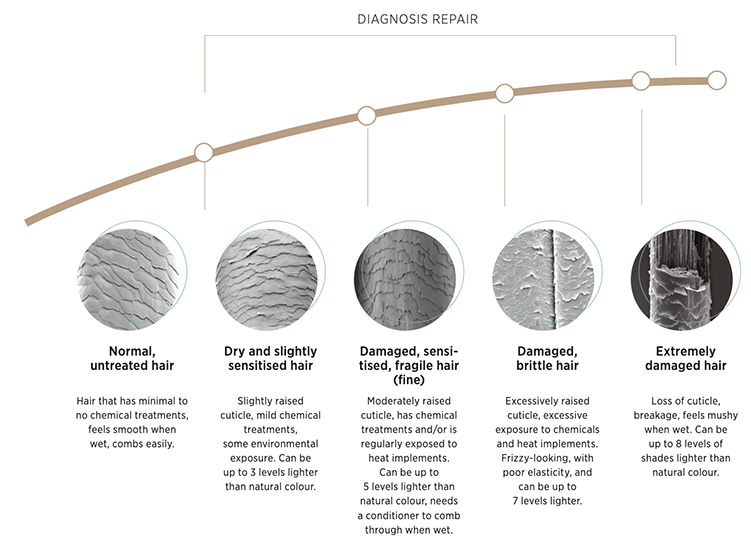
the cuticle lifts
-
tensile strength drops by up to 40%
Combing at this stage causes:
-
snapping
-
stretching damage
-
mid-shaft breakage (mistaken for hair fall)
✅ Fix
✔ Let hair air-dry to 70–80% dry
✔ Detangle gently only when slightly damp
❌ Mistake #2: Starting From the Roots Instead of the Ends
Pulling a comb from root to tip on tangled hair is a recipe for breakage.
What happens:
-
knots tighten instead of loosening
-
force transfers to the weakest points
-
hair snaps mid-length
-
roots experience traction stress
✅ Fix
✔ Always start at the ends
✔ Work upward gradually
✔ Hold hair above the knot to reduce tension
❌ Mistake #3 (MOST PEOPLE MAKE THIS): Using Force Instead of Technique
This is the biggest cause of hair fall while combing.
Pulling harder feels efficient, but it’s destructive.
Force causes:
-
micro-tears in the cuticle
-
inflammation at the follicle opening
-
traction-based shedding
-
breakage that looks like thinning
Hair doesn’t need strength to detangle.
It needs patience and angle control.
✅ Fix
✔ Slow down
✔ Use short, gentle strokes
✔ If it doesn’t move — stop and reset
✔ Never “rip through” knots
❌ Mistake #4: Using the Wrong Comb or Brush
Not all combs are hair-safe.
Common offenders:
-
fine-tooth plastic combs
-
old combs with jagged edges
-
cheap brushes that snag hair
These:
-
catch cuticles
-
increase friction
-
tear hair strands
✅ Fix
✔ Use a wide-tooth comb
✔ Smooth, seamless teeth
✔ Wood or high-quality resin preferred
❌ Mistake #5: Combing Too Frequently
More combing ≠ healthier hair.
Over-combing causes:
-
repeated friction
-
cuticle erosion
-
increased breakage
-
scalp overstimulation
Especially damaging for:
-
fine hair
-
curly/wavy hair
-
inflamed or dandruff-prone scalps
✅ Fix
✔ Comb only when necessary
✔ Avoid “habit combing”
✔ Detangle once, then leave hair alone
❌ Mistake #6: Combing an Inflamed or Itchy Scalp
If your scalp has:
-
dandruff
-
itch
-
redness
-
tenderness
Combing aggressively worsens:
-
inflammation
-
shedding
-
follicle stress
This often triggers inflammatory hair loss.
✅ Fix
✔ Calm the scalp first
✔ Be extra gentle during flare-ups
✔ Use fingers instead of a comb if needed
❌ Mistake #7: Combing Right Before Bed (Wrong Way)
Nighttime combing damage is underestimated.
Problems:
-
over-detangling before sleep
-
tight hairstyles after combing
-
friction during sleep on already-stressed hair
This causes overnight:
-
breakage
-
traction
-
shedding
✅ Fix
✔ Detangle gently
✔ Keep hair loose
✔ Avoid tight styles
✔ Use a low-friction pillow surface
Why Combing Damage Looks Like “Hair Fall”
Most combing damage is:
-
breakage, not root loss
-
mid-shaft snapping
-
cumulative thinning
That’s why:
-
hair looks shorter
-
volume reduces
-
density drops slowly
And people blame shampoo or genetics, when the real cause is mechanical.
The Safe Way to Comb Hair (Quick Checklist)
✔ hair 70–80% dry
✔ wide-tooth comb
✔ start from ends
✔ gentle, short strokes
✔ minimal frequency
✔ zero force
✔ calm scalp
Final Verdict
Hair doesn’t fail suddenly.
It fails pull by pull, knot by knot, day by day.
If you fix how you comb your hair, you eliminate one of the biggest daily causes of hair fall, without changing products.
Rubbing Wet Hair With a Towel Drying Causes Hair Fall: Here’s Why | Svarasa |
Dandruff vs Dry Scalp: How to Tell the Difference | Svarasa Hair Guide |
Related Posts

Ayurvedic Hair Mist: The Modern Way To Refresh Your Hair

Coconut Oil vs Bhringraj Oil for Hair: Which Is Better?

PRP vs Hair Transplant: What Is the Difference?

Shock Loss After a Hair Transplant: Why Does Hair Fall Out?

Amla Oil vs Bhringraj Oil for Hair: Which Is Better?

Hair Care Routine for Hair Fall & Thinning: The Complete Guide

Beyond Minoxidil: Can Ayurvedic Herbs Effectively Revive Dormant Hair Follicles?
